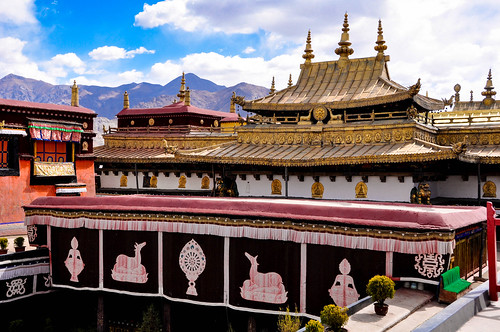
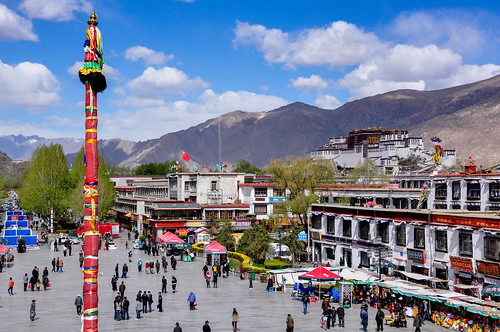
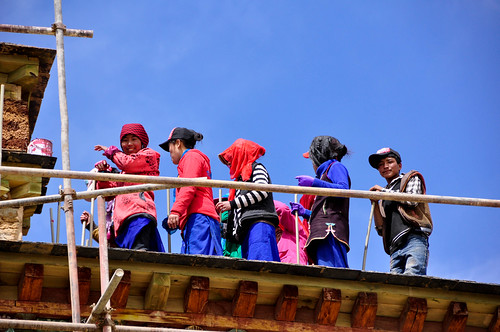
We woke up bright and early on Tuesday to visit the grandaddy of them all, the Potala Palace.
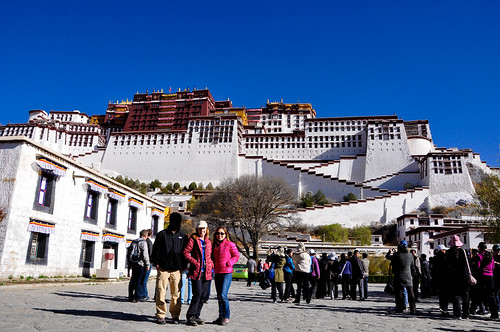
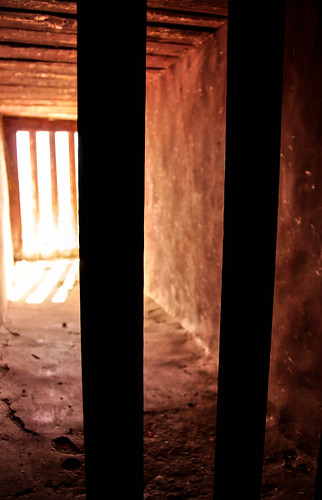
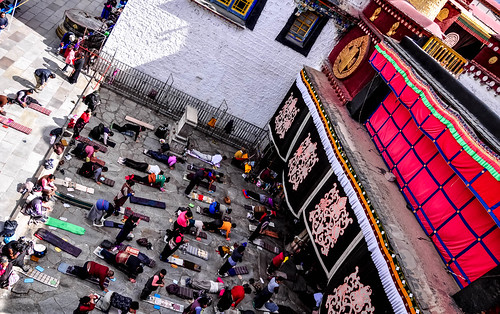
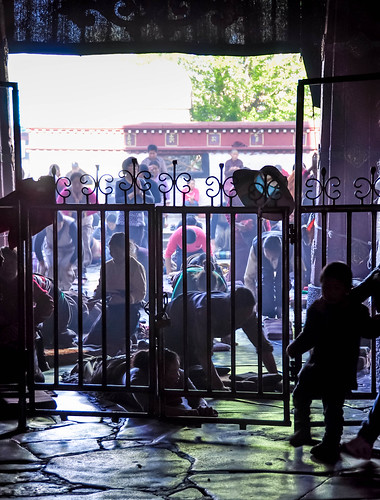
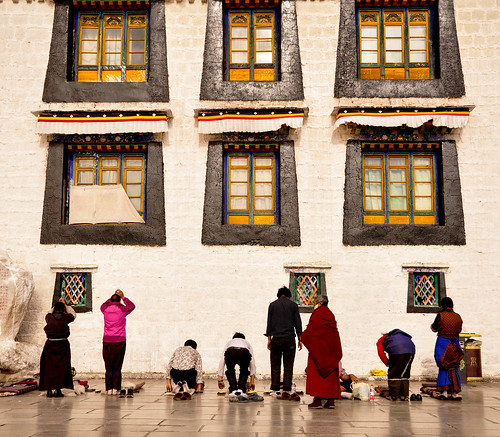
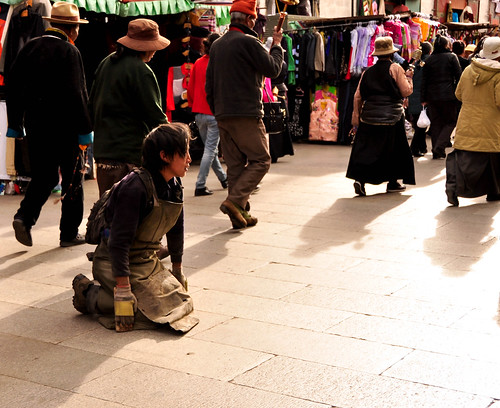
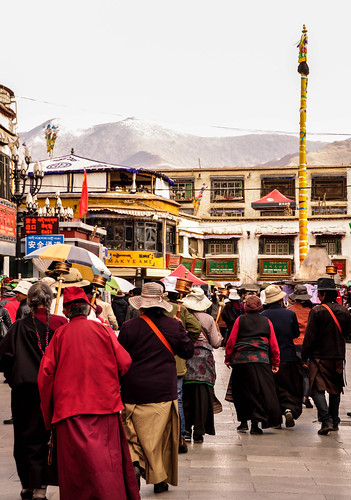
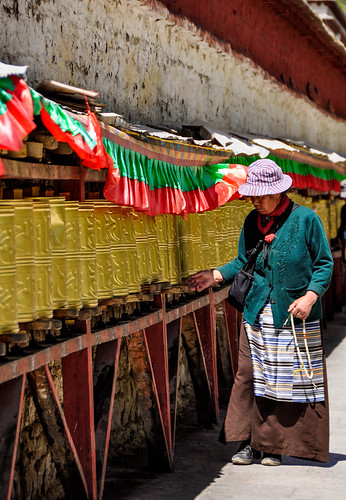
It's THE temple of Lhasa to see and be seen in, and although it has been converted into a museum, pilgrims still faithfully walk the circuit around the palace.
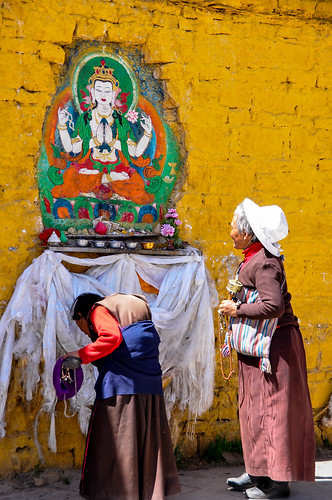
We were huffing and puffing while making our way up the steep incline leading to the Palace, and our guide tried to distract us from the pain by telling us funny stories about the "naughty" sixth Dalai Lama, who is also known as the Romantic Dalai Lama. Apparently, he liked to write poetry and visit the local bars to chat up the ladies, even in the middle of a blizzard (they found his tracks in the freshly fallen snow). I bet he had some good pick-up lines - I'm guessing that "I'm the Dalai Lama" probably figured in at least one or two of them.
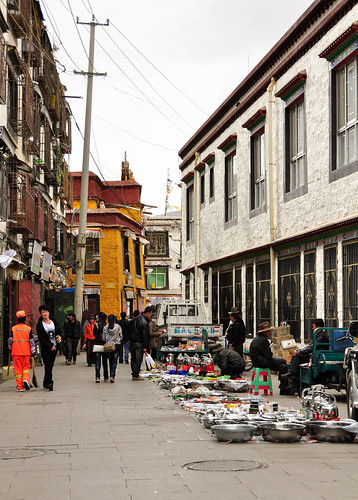
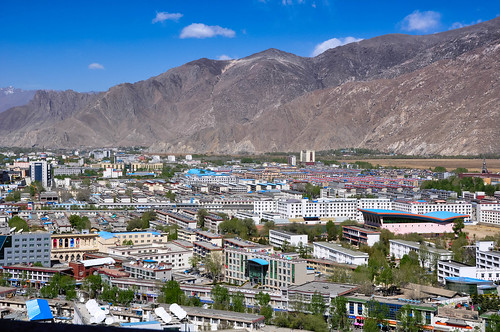
Once we were inside, we viewed the magnificent tombs of the 5-13th Dalai Lama, which were made entirely of gold with some bronze and encrusted all over with precious stones and jewels. We also got a pretty good view of the city, and it made me a bit sad to see the modern buildings that have sprouted up in recent years. Pretty damn ugly.
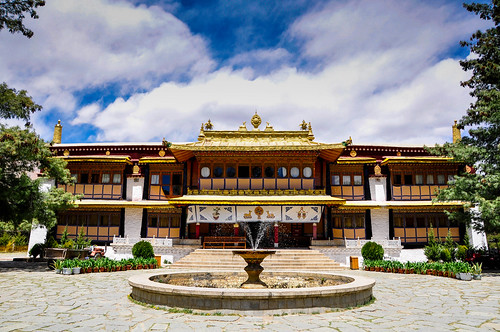
After lunch, we headed over to Norbulingka Palace, also known as the Summer Palace, which came to be my favourite. The place was relatively empty of people, and it had the most trees and greenery we had seen thus far.
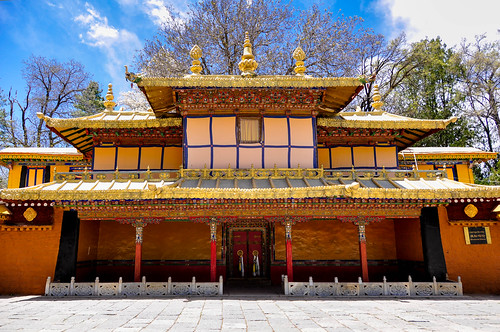
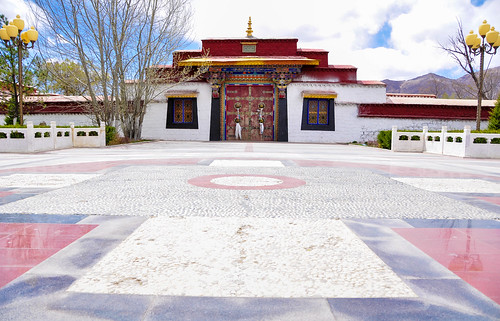
It also had a residence that was built by the current Dalai Lama, and that made me a bit sad as it's unlikely that he'll ever occupy it again during his lifetime. It's bizarre that his name and his picture is forbidden in a building that he built and used extensively. The walls of the main living area depict the history of Tibet, and that was also saddening because the history ended in the 1950's with the Dalai Lama's meeting Chairman Mao.
We saw what we needed to see, and I was ready to leave Lhasa as we were embarking on our roadtrip the next day. I really enjoyed the city, but it was difficult seeing how circumscribed the Tibetans are in their own country. The Chinese military frequently stop them to check their ID and go through their phones to see if they have anything incriminating i.e. picture of the Dalai Lama. They can't hold any public jobs if they don't speak Chinese. They can't travel to other parts of their own country without a special permit. Even foreigners are forbidden to possess anything pertaining to the Dalai Lama or flags of any country other than China. This is no way to live. I'll say it now because I couldn't say it then - Free Tibet!
It's THE temple of Lhasa to see and be seen in, and although it has been converted into a museum, pilgrims still faithfully walk the circuit around the palace.
We were huffing and puffing while making our way up the steep incline leading to the Palace, and our guide tried to distract us from the pain by telling us funny stories about the "naughty" sixth Dalai Lama, who is also known as the Romantic Dalai Lama. Apparently, he liked to write poetry and visit the local bars to chat up the ladies, even in the middle of a blizzard (they found his tracks in the freshly fallen snow). I bet he had some good pick-up lines - I'm guessing that "I'm the Dalai Lama" probably figured in at least one or two of them.
Once we were inside, we viewed the magnificent tombs of the 5-13th Dalai Lama, which were made entirely of gold with some bronze and encrusted all over with precious stones and jewels. We also got a pretty good view of the city, and it made me a bit sad to see the modern buildings that have sprouted up in recent years. Pretty damn ugly.
After lunch, we headed over to Norbulingka Palace, also known as the Summer Palace, which came to be my favourite. The place was relatively empty of people, and it had the most trees and greenery we had seen thus far.
It also had a residence that was built by the current Dalai Lama, and that made me a bit sad as it's unlikely that he'll ever occupy it again during his lifetime. It's bizarre that his name and his picture is forbidden in a building that he built and used extensively. The walls of the main living area depict the history of Tibet, and that was also saddening because the history ended in the 1950's with the Dalai Lama's meeting Chairman Mao.
We saw what we needed to see, and I was ready to leave Lhasa as we were embarking on our roadtrip the next day. I really enjoyed the city, but it was difficult seeing how circumscribed the Tibetans are in their own country. The Chinese military frequently stop them to check their ID and go through their phones to see if they have anything incriminating i.e. picture of the Dalai Lama. They can't hold any public jobs if they don't speak Chinese. They can't travel to other parts of their own country without a special permit. Even foreigners are forbidden to possess anything pertaining to the Dalai Lama or flags of any country other than China. This is no way to live. I'll say it now because I couldn't say it then - Free Tibet!